


How playing an instrument benefits your brain
Your brain is a muscle. When you give it more challenging exercises, you’re strengthening your brain’s abilities to learn and grow. Now what if we added some music to that?

When you listen to music, various areas of your brain become active and engaged. But when it comes to you playing an actual instrument, that activity becomes more like a full-body brain workout experience. How does this happen? Let's find out as Anita Collins explains the fireworks that go off in musicians' brains when they play, and examines some of the long-term positive effects of this mental workout. 🧠
#musiclessons #musiclessonsforadults #music #musiceducation #pianolessons #piano #musicschool #musicteacher #guitarlessons #guitar #onlinemusiclessons #musician #ukulelelessons #musiclessonsforkids #drumlessons #voicelessons #onlinelessons #pianoteacher #drums #singing #mississauga #parents #musictheory #musicteachersofinstagram #voice #lessons #singinglessons #musiceducator #Yamahamusic #Yamaha #brain #educational #benefits #instruments

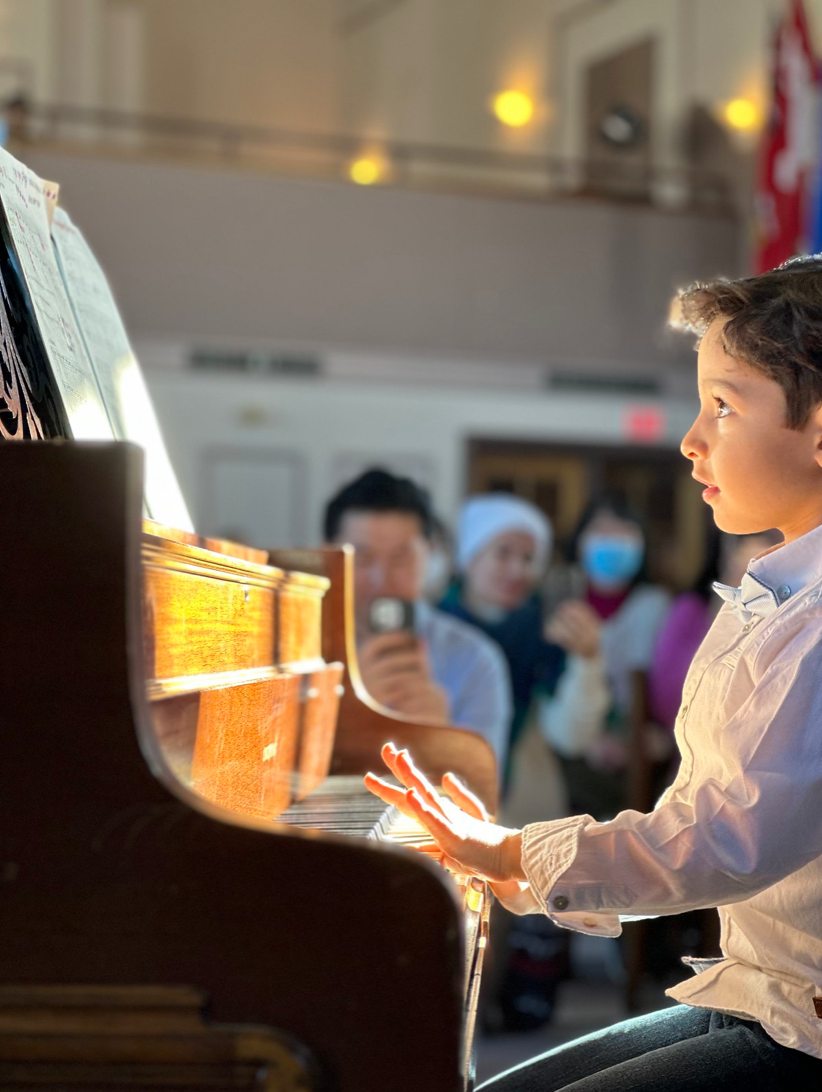
The neuroscience around music and cognitive health has real implications for anyone researching Texas senior living options for a parent or spouse. Communities that build structured music programs into daily life — not just background playlists but actual instrument access, group sessions, even rhythm-based therapy — are offering something with measurable neurological value. When evaluating a community, it is worth asking whether their activities calendar includes any hands-on music engagement and how consistently it runs. A resident who played piano decades ago might experience genuine cognitive benefits from picking it back up, which matters far more than whether the lobby looks nice in photos.